For Canadians, Japan is slowly becoming one of the most popular travel destinations. The country offers an unforgettable experience for every type of traveller, whether you’re dining your way through Osaka’s Dotonbori district or searching for cherry blossoms in the city of Kyoto. The trip is often followed by the big question for all the watch enthusiasts: Is buying a Rolex watch in Japan genuinely worth it?
If you look at your social media feeds, you’ll see countless videos of shiny Tokyo watch stores and stories about how the weakening yen is making high-end goods more affordable. It is simple to become engrossed in the fantasy. Rumors abound: Japan is regularly listed as one of the best countries to buy a Rolex, the Yen is weak, and the selection is ridiculous. Imagine entering a Ginza boutique, flashing your passport, and leaving with a discounted brand-new Submariner.
That fantasy is rarely the reality, even though we hate to be the ones to deliver bad news. Every day, we at Toronto Watch Exchange assist collectors in charting their course through the market, and we want you to have the complete picture before you board that 13-hour flight. Everything you need to know about purchasing a Rolex in Japan as a tourist in 2025 is covered here, from the “Exhibition Only” signs to the unforeseen fees you will have to pay upon returning to Canada.
Buying a Rolex in Japan at Authorized Dealers: The Harsh Reality
Let’s talk about the primary market first. If your objective is to purchase a stainless steel sports model at retail price from an Authorized Dealer (AD), like a GMT-Master II, Daytona, or Submariner, you must quickly manage your standards.
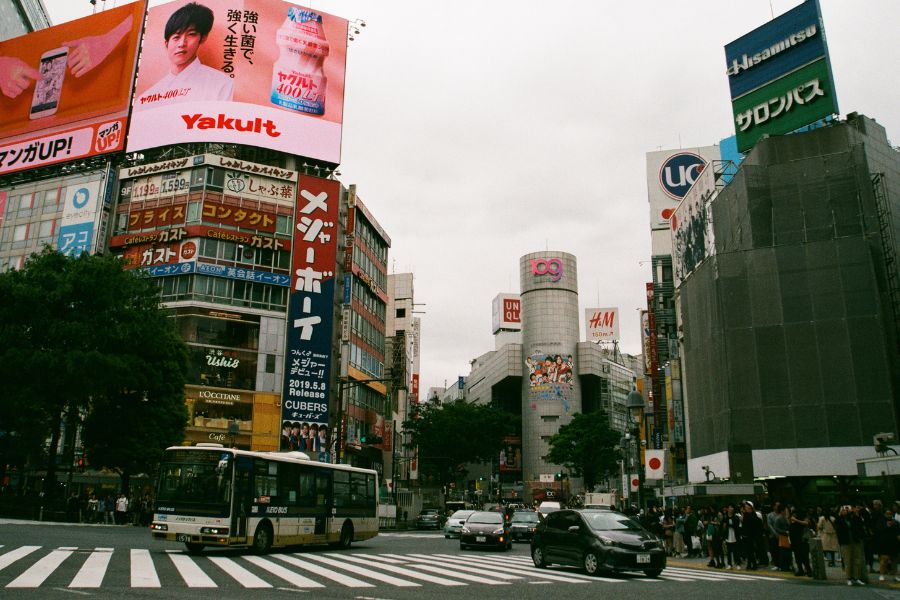
In Tokyo, demand far outpaces supply. Although there is a sufficient supply of watches in Japan, local demand is very high. In order to address this, most Japanese ADs in well-known tourist locations (like Shinjuku, Ginza, and Shibuya) have implemented strict rules that make it nearly impossible for a temporary visitor to get a “hot” watch.
The “Locals Only” Barrier
Long-term loyalty and official residency are the fundamental elements of Japanese retail culture, compared to some other countries where a charming conversation might put you “on the list.” Isetan, Daimaru, Takashimaya, and other big-name department stores frequently have straightforward rules regarding the sale of high-end Rolex models. Representatives are frequently told to sell these timepieces only to clients who can demonstrate that they reside in the prefecture.
“Exhibition Only” signs are a common sight. You will be able to try on the exquisite watches in the cases and see how they feel on your wrist. However, the response to your request to purchase one will be a courteous but firm “No.” These display models are essentially there to keep the shelves from looking empty, not for you to take home.
The “Rolex Marathon” Myth
You might have heard of the “Rolex Marathon.” This is a strategy where determined buyers spend their entire vacation running from one AD to another, visiting 10 or 15 stores a day, every single day, hoping to catch a store at the exact moment a shipment arrives.
Although we respect the commitment, we must ask: Do you want to spend your vacation like this? Tokyo boasts world-class dining, futuristic architecture, ancient temples, and an amazing depth. Burnout is inevitable when you spend your valuable days waiting in line, scanning QR codes for admission tickets, and dealing with rejection after rejection. In 2025, the percentage of tourists who successfully complete the marathon is statistically insignificant. The marathon is probably a waste of time unless you are looking for a particular, uncommon Datejust configuration or a precious metal Cellini.
The Silver Lining: Why Buying Rolex in Japan’s Secondary Market Works
After addressing the negative details, let’s move on to the good stuff. Buying a Rolex in Japan on the secondary (pre-owned) market is entirely distinct from the primary market, which is closed. In reality, Japan may be the world’s greatest location to find used luxury timepieces.
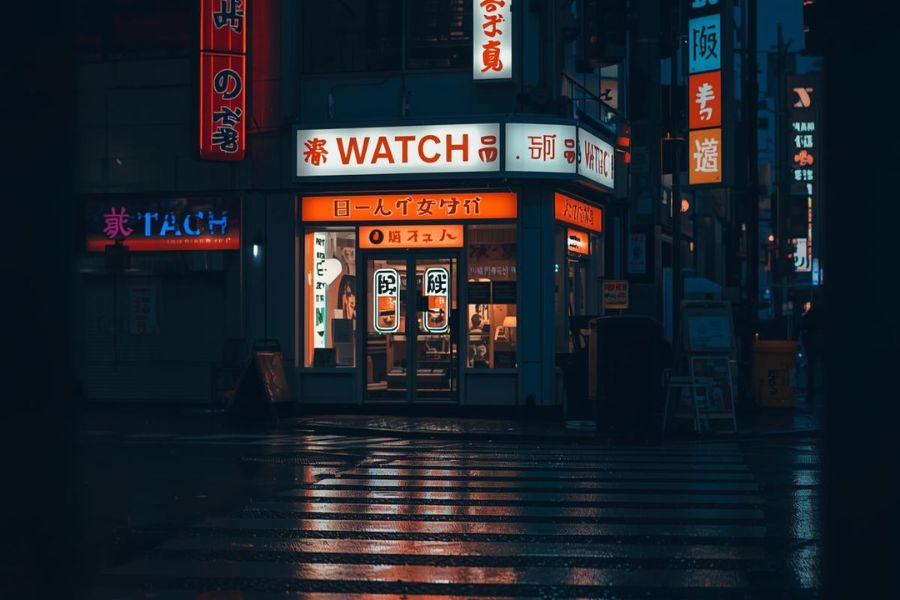
Nakano Broadway, a shopping center only a short train ride from Shinjuku, serves as the center of this activity. With dozens of respectable dealers like Jack Road, Kame-Kichi, and Watchnian, it is a legendary location for collectors. Purchasing pre-owned goods in Japan offers unique advantages that are unavailable elsewhere if you are unable to purchase new.
1. The Culture of Preservation
In Japan, there is a cultural emphasis on taking care of one’s possessions. When a Japanese collector buys a watch, they tend to treat it with extreme care. As a result, the condition of pre-owned watches in Tokyo is often far superior to what you find in North America or Europe. It is common to find 20-year-old watches that look like they left the factory yesterday, complete with their original, unpolished chamfers.
2. Incredible Selection of Full Sets
Japanese collectors are meticulous about keeping everything. When you browse the cases in Nakano, you will notice that almost every watch comes as a “Full Set”, original box, papers, hang tags, and sometimes even the original purchase receipt. Finding a “naked” watch (watch only) is actually harder than finding a complete one. For a collector who values provenance, this is paradise.
3. Strict and Honest Grading
This is the biggest benefit of buying a Rolex in Japan. Japanese dealers use a rigorous grading system that borders on obsessive. A watch marked “Rank A” in Tokyo would likely be sold as “Mint” in many North American markets. If there is a microscopic scratch on the lug that is invisible to the naked eye, the dealer will point it out to you under a loupe. They value their reputation above a quick sale, meaning you rarely have to worry about buying a “Franken-watch” with non-original parts.
The “Tax-Free” Trap: A Warning for Canadians When Buying A Rolex In Japan
The weak yen and “Tax-Free” signs confuse a lot of tourists. They believe they are getting the best deal when they see a price tag of ¥1,500,000 and quickly convert the currency on their phone.
However, the math is not that easy for someone who lives in Canada. When you return to Canada, you are legally obligated to declare all items you bought overseas. If you don’t declare a luxury watch, you run the risk of having it confiscated, paying a hefty fine (typically between 30 and 50 percent of its value), and having it marked for secondary screening on all subsequent travels. The risk is just not worth it.
Here is the real cost breakdown of bringing a watch back to Toronto:
Cost Factor |
The Impact on Your Wallet |
|---|---|
| Japanese Consumption Tax | You save 10% upfront at the store (Tax-Free). This is the “deal.” |
| Foreign Exchange Fee | Unless you pay in cash, your credit card will charge roughly 2.5% on the transaction. *Unless you use a specialized no-FX fee card like Wealthsimple or EQ Bank. |
| Canadian Customs Duty | Luxury watches are subject to 5% Duty upon entering Canada. |
| Canadian HST | You must pay 13% HST (in Ontario) on the total value (converted price + Duty). |
| The Bottom Line | After adding Duty and HST, you are effectively paying ~18% extra on top of the “Tax-Free” price. |
When you do the math, that “cheap” watch in Tokyo frequently turns out to be 5% to 10% more expensive than if you had purchased it locally in Toronto. Additionally, keep in mind that Japanese grey market vendors, such as those in Nakano, charge market prices rather than retail prices. To find out more about the background of your ideal watch, simply use our guide to check your Rolex serial number. They are fully aware of the global value of these timepieces.
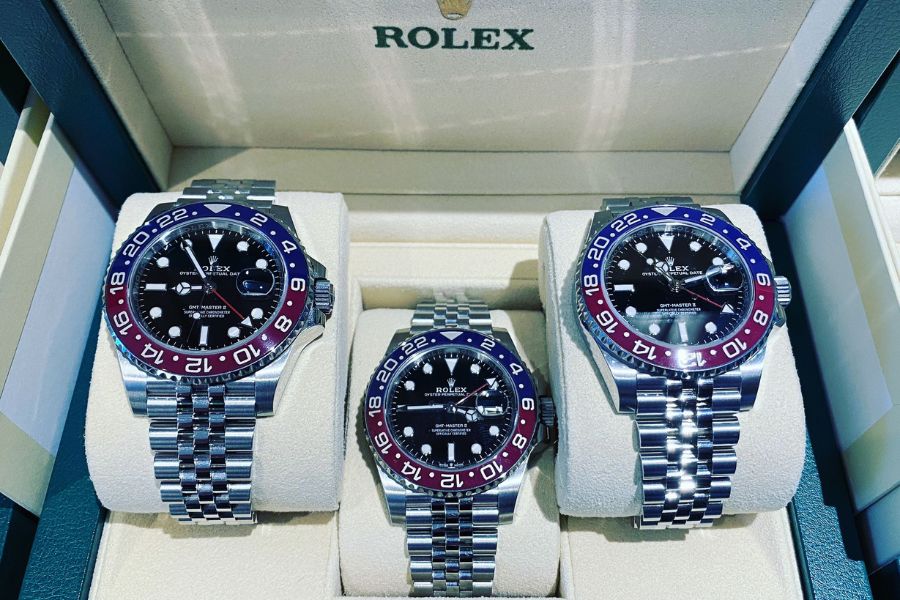
You might be staring at that 5% Duty line item and wondering where it comes from. It is not a random fee; it is a specific tariff applied to luxury timepieces that many travelers completely overlook until they are standing at the CBSA counter. To understand exactly how these tariffs are calculated and why they apply, read our deep dive on Canadian Customs Duty for luxury watches. It breaks down the specific HS codes you need to know before you declare.
Tax Changes Coming in late 2026
It is important to note that Japan is overhauling its tax-free shopping system to prevent resale fraud. The government has announced a move toward a refund-based model (similar to Europe) where you pay the full tax upfront and claim it back at the airport.
The Good News for 2025 Travelers:
This new strict tax system is scheduled to take effect on November 1, 2026. If you are visiting in 2025 or early 2026, you can still enjoy the current “instant discount” system. You simply show your passport at the register, and the 10% tax is deducted immediately. You don’t need to queue at the airport for a refund. However, if you are planning a trip for late 2026 or beyond, prepare for the new refund-based rules, which will add extra paperwork and time to your departure day.
Payment Logistics For Rolex Buying In Japan
There is one more obstacle to overcome if you choose to explore the secondary market in spite of the expenses: payment. Cash is still king in Japan. Many of Nakano Broadway’s greatest offers are marked as “Cash Price.” Many stores will charge an additional 3% to 5% if you choose to pay with a Visa or Mastercard in order to cover their merchant fees. Additionally, a sudden $15,000 transaction in Tokyo will probably be reported as fraud by your Canadian bank, which will freeze your card while you are at the counter. You don’t need this stress.
This puts you in a difficult position. Do you really want to travel with $15,000 worth of Yen in your backpack? It is stressful and risky. Wiring money is an option, but it takes time to clear, and you can’t exactly wait around in a shop for two days while the SWIFT transfer goes through.
Why Buying Locally in Toronto is the Smarter Move
We love Japan. It is an incredible place to visit. But when it comes to high-value purchases like a luxury timepiece, the “vacation discount” is often an illusion.
By choosing to buy locally with us at Toronto Watch Exchange, you eliminate the stress. There is no customs anxiety at Pearson Airport. There are no hidden foreign transaction fees. You don’t have to carry a brick of cash through the subway. Most importantly, you get a relationship. Ready to start your collection? Browse our current inventory of Rolex watches.
Trade-In Power
One massive advantage of shopping locally is the ability to trade. Have an old Omega you want to upgrade to a Rolex? Trying to trade a watch in Japan as a tourist is nearly impossible.
Here is why: Due to strict Japanese anti-money laundering laws, most dealers cannot purchase watches from foreigners who do not possess a Japanese Resident Card or a local bank account. You effectively cannot use your current collection to fund your new purchase. At Toronto Watch Exchange, we make it simple. We offer fair trade-in values, and you only pay tax on the difference between your trade and the new watch, saving you even more.
Valid Warranty and Support When Buying a Rolex In Japan
And lastly, the problem of support. Your “Shop Warranty” is worthless once you return to Canada if you purchase a used watch in Tokyo and it stops working a week later. When you purchase from us, a local team is available to assist you with any problems, repairs, or inquiries that may come up.
Go to Japan, of course. Savor the sushi, explore the shrines, and marvel at Nakano’s watch stores. When the time comes to actually wear a Swiss icon on your wrist, however, do it wisely. Visit us in Toronto, where the coffee is free, and the price you see is the price you pay.
Not planning a trip? Browse our Rolex for sale right here in Toronto.