
If you feel like Rolex prices are climbing faster than ever in 2025, you’re not wrong. From quiet retail increases to sudden jumps in resale value, the luxury watch market is being shaped by far more than just hype or limited availability. Global tariffs, trade duties, and currency fluctuations are all converging in ways most buyers haven’t seen before.
Rolex prices are rising in Canada, and it’s not just your imagination. For collectors, first-time buyers, and long-time enthusiasts, the luxury watch market in 2025 looks and feels different. Between global price increases, shifting tax policies, rising gold costs, and a fluctuating Canadian dollar, the numbers don’t lie. But the story isn’t all bad. The market is shifting, yes, but it’s also maturing, and for educated buyers, there are still smart moves to make. Here’s what you need to know.
Rolex Price Increases in Canada: What Changed?
If you’re trying to buy a Rolex in 2025, you’re likely seeing sticker shock. As of January 1, 2025, Rolex implemented a global price increase averaging between 5% and 7%. But in Canada, that number fluctuates depending on the model, material, and where the watch was sourced.
The most notable increases affected gold watches, largely due to a 27% jump in global gold prices in 2024. That rise had a ripple effect: solid gold Rolex models in Canada increased by roughly 11%, and Rolesor (two-tone) models went up 8%. For instance, a Yellow Gold Submariner Date that sold for $41,808 CAD in 2024 now lists at $46,488 CAD. That’s a spike of over $4,600.
Even steel models, which are typically more stable in pricing, weren’t immune.
- The classic Submariner No-Date went from $9,700 to $9,850 CAD, reflecting a modest but noticeable 1.10% hike.
- Steel Daytonas, always in high demand, climbed by about 2.6%
- The Yellow Gold Oysterflex Daytona jumped from $32,812 to $38,896 CAD, an 18.5% surge.
These increases aren’t random. They’re tied to raw material costs, currency fluctuations, and Rolex’s broader effort to align pricing globally while reflecting the true value of its craftsmanship. As the price of gold, labor, and distribution climb, retail prices follow.
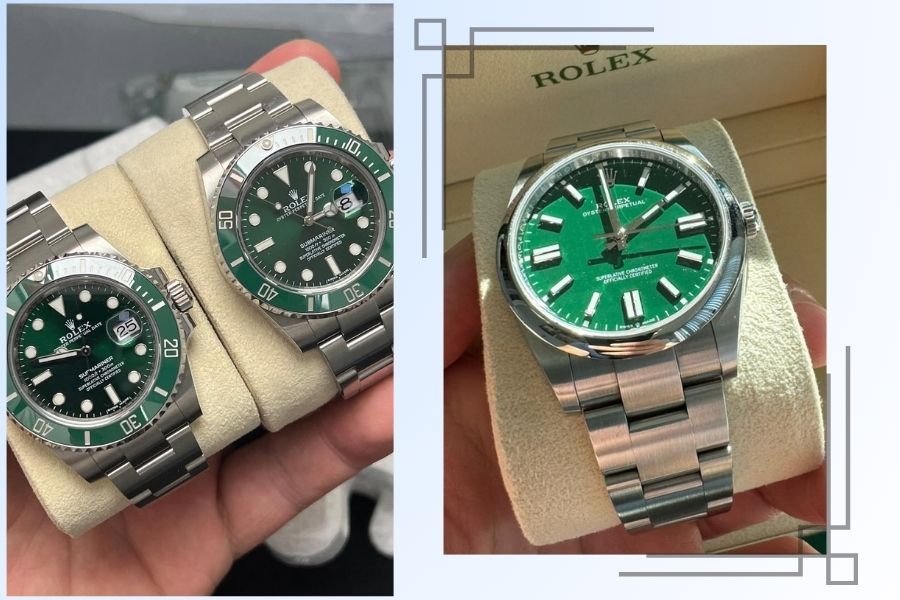
1. Global Tariff Volatility Adds Pressure to Swiss-Made Watches
While Rolex pricing in Canada is being shaped by domestic tax structure and currency performance, the brand is also reacting to rising trade tensions globally. In the United States, Rolex’s largest single market, Swiss watches have been hit with a 10% import duty for years. As of April 2025, the U.S. administration proposed raising that figure to 31%, which would have sent shockwaves through the entire luxury watch industry.
That tariff increase was suspended for 90 days in May, but the threat of future policy changes continues to affect pricing decisions by Swiss manufacturers. Rolex, Omega, and others are adopting pricing strategies that protect their margins globally, meaning increases in one country often reflect pressures in another.
2. Swiss Franc Appreciation
Since March 2025, the Swiss franc has risen more than 7% against the U.S. dollar. For U.S. buyers, this means Swiss exports, including luxury watches, now cost significantly more to import.
Currency volatility forces brands to adjust their pricing to maintain margins, and Rolex is no exception. Many industry analysts believe this appreciation is one of the quiet but powerful drivers of this year’s adjustments.
How Canadian Taxes and Import Duties Add to the Cost
When you’re purchasing a luxury watch in Canada, especially if you’re importing, it’s not just the sticker price you have to worry about. Several layers of taxes and duties apply, depending on how and where you buy.
GST and HST on Imported Watches
Every imported watch is subject to GST (Goods and Services Tax), and if you live in a province that uses HST, that will replace the GST. For example, Ontario residents pay 13% HST on the total cost of the imported item, including duties.
Customs Duties
While there isn’t a single rate that applies to all watches, customs duties typically hover around 5%, depending on the classification under the Harmonized Tariff Schedule. It’s worth checking the exact rate with the Canada Border Services Agency (CBSA) before importing.
Luxury Tax Confusion
Despite the widespread assumption, luxury watches are not currently subject to the Select Luxury Items Tax Act, which only applies to cars, aircraft, and yachts over certain price thresholds. But many Canadians still ask if their Rolex purchase falls under this tax. The answer, as of now, is no. But that could change in future budgets, so staying informed is key.
Example Duty Breakdown: What You Might Pay
Let’s say you import a $20,000 CAD Rolex from Europe. Here’s a realistic estimate:
Item |
Cost (CAD) |
| Value for Duty | $20,000 |
| Customs Duty (5%) | $1,000 |
| Subtotal | $21,000 |
| HST (Ontario, 13%) | $2,730 |
| Total at Border | $3,730 |
| Final Cost of Watch | $23,730 |
These costs add up fast, and for many buyers, it’s enough to start looking for alternatives.
The Canadian Dollar’s Impact on Rolex Prices
Even if duties and taxes were to remain constant, the value of the Canadian dollar plays a big role in Rolex pricing. In 2025, the CAD remains relatively weak against the USD and Euro, which affects every aspect of international pricing. When Rolex sets its global prices, it doesn’t ignore currency strength. Canadian retailers must adjust accordingly to stay profitable, which pushes Canadian Rolex prices even higher.
This is one of the key reasons why buyers comparing Rolex prices between Canada and the U.S. often find little to no advantage in cross-border shopping once you factor in duties, currency exchange, and taxes.
Comparing 2024 vs 2025 Rolex Retail Prices (USD & CAD)
Model |
MSRP (2024 – USD) |
MSRP (2025 – USD) |
MSRP (2024 – CAD) |
MSRP (2025 – CAD est.) |
|---|---|---|---|---|
| Submariner | $9,100 | $9,373 | $12,500 | $12,875 |
| Daytona | $14,550 | $14,986 | $19,800 | $20,394 |
| Datejust 41 | $8,050 | $8,291 | $11,100 | $11,433 |
*CAD pricing is estimated based on conversion trends and Canadian dealer averages. Always check with a local authorized seller or contact us.
Understanding Rolex Retail and Secondary Market Prices in Canada
With rising Rolex prices, the Canadian secondary market has never been more active. Savvy buyers are increasingly turning to the pre-owned Rolex market to avoid rising retail costs and import fees. We’re seeing this first-hand. Demand for certified, Canadian-based watches is rising fast, and it’s not just buyers who benefit. Sellers are seeing stronger trade-in values, especially on popular models like the Submariner, Datejust, and Daytona.
For many, the shift is less about saving money and more about avoiding financial uncertainty. Buyers want to know what they’re paying upfront, no surprise duties, no customs delays, and no risky border declarations.
We broke this down in more depth in our post on how the Canadian dollar is affecting the watch market, which is worth reading if you’re weighing your next move.
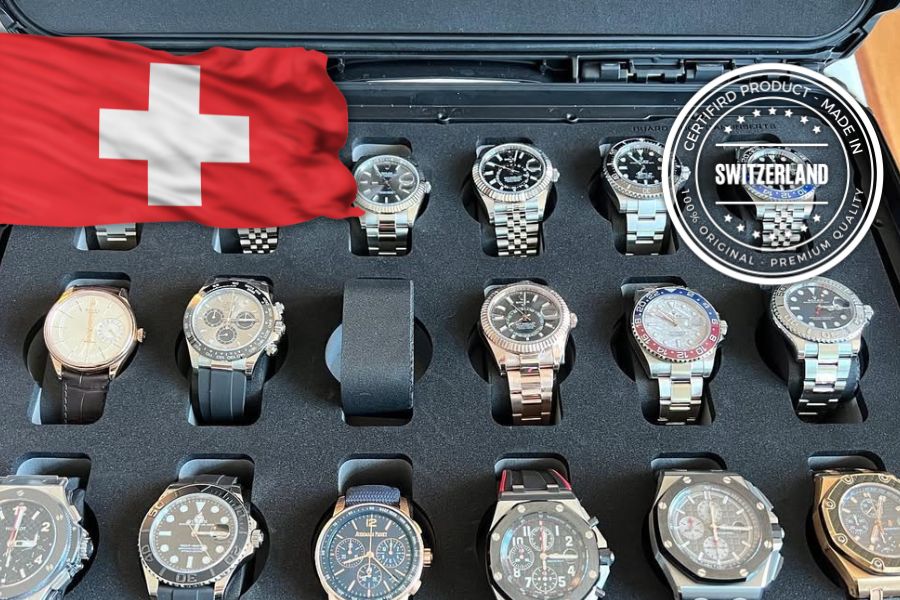
Are Other Swiss Watch Brands Raising Prices Too?
Yes. Rolex isn’t alone in this. As of May 1st, Omega implemented an average 5% price increase in the U.S. The Swatch Group (Omega’s parent company) also adjusted pricing across multiple brands, including Blancpain, Longines, Rado, and Tissot, with some increases reaching up to 10%.
Swatch Group cited cost pressures, tariffs, and currency shifts as reasons for the change. Across the board, Swiss brands are rebalancing their prices in response to economic and regulatory conditions.
Will Rolex Prices Increase Again in 2025? What Drives Rolex Watch Costs
It’s a question we’re already hearing a lot: are Rolex prices going up again this year? If you’ve been tracking watch values or thinking of making a purchase, you’re not alone.
Rolex’s Predictable, but Strategic, Price Hikes
Historically, Rolex doesn’t raise prices randomly. The brand tends to make one or two calculated price adjustments per year. These hikes aren’t just about inflation, they’re about maintaining exclusivity and brand consistency across global markets.
We already saw a notable adjustment on January 1, 2025, with increases across most models. Gold models jumped more than steel ones, and Canada wasn’t spared. Local Authorized Dealers adjusted prices accordingly, and that’s already made waves in the pre-owned market here.
In other words: if you’re waiting for prices to “go back down,” don’t hold your breath. Rolex rarely moves backwards on price.
U.S. Tariffs and the Ripple Effect of Rolex Prices in Canada
The U.S. Trade Representative recently proposed a tariff increase on Swiss imports, including watches, from 10% to 31%. While this hike has been delayed for now, the signal is clear: luxury goods like Rolex are increasingly in the crosshairs of trade policy.
Even though Canadian buyers aren’t directly hit by these U.S.-specific tariffs, there’s still a ripple effect. When U.S. prices rise, more American buyers start looking north for better value. That increased demand can put pressure on Canadian inventory, especially in the pre-owned market.
We’ve seen it before: a surge in American buyers pushes Canadian prices up, not just for Rolex but across other Swiss brands as well. So if those tariffs go through, expect another spike in resale prices here.
Swiss Franc Pressure and the Canadian Dollar
Perhaps the biggest factor affecting Canadian Rolex pricing is the strength of the Swiss Franc (CHF). Rolex manufactures and prices its watches in Switzerland, and those costs are calculated in Swiss currency. That means every time the Canadian dollar weakens against the CHF, it becomes more expensive for Canadian distributors to bring in inventory.
In 2025, the Swiss Franc has held strong, especially compared to the CAD. That alone could trigger another global price adjustment, one that would show up almost immediately at Canadian retailers. And with Canada’s luxury goods import costs climbing, there’s little buffer left for dealers to absorb those changes without passing them on to buyers.
It’s not just a local issue; it’s a currency problem that’s hitting Rolex buyers worldwide, but especially in countries like Canada, where the dollar has lost purchasing power year over year.
So Will Prices Go Up Again?
There’s no official announcement yet, but all signs point to another potential Rolex price increase in late 2025. Whether it’s because of currency shifts, rising material costs, or indirect tariff pressure from the U.S., the momentum is there.
For buyers sitting on the fence, the takeaway is simple: waiting could cost you more. And if you’re exploring your options in the secondary market, we can definitely help you navigate that easily.
Is It Still Worth Buying a Rolex in 2025?
Absolutely, but it requires a different approach than it did five years ago. Retail prices are climbing, and import fees are real, but Rolex remains one of the most secure luxury purchases you can make. Values are holding strong in Canada, and in many cases, growing. If you’re planning to hold onto your piece, or even resell it down the line, a Rolex still represents smart, tangible value.
What’s changing is how people shop. More buyers are seeking local, trusted sellers who can help them avoid costly surprises at the border. The pre-owned market is becoming the first stop, not the fallback.
If you’re looking to buy smart, consider browsing our curated selection of Rolex models for sale. Every watch is fully authenticated and priced with Canadian realities in mind, no hidden fees, no fine print, just real value.
Border Crackdowns: The CBSA Is Watching Closely
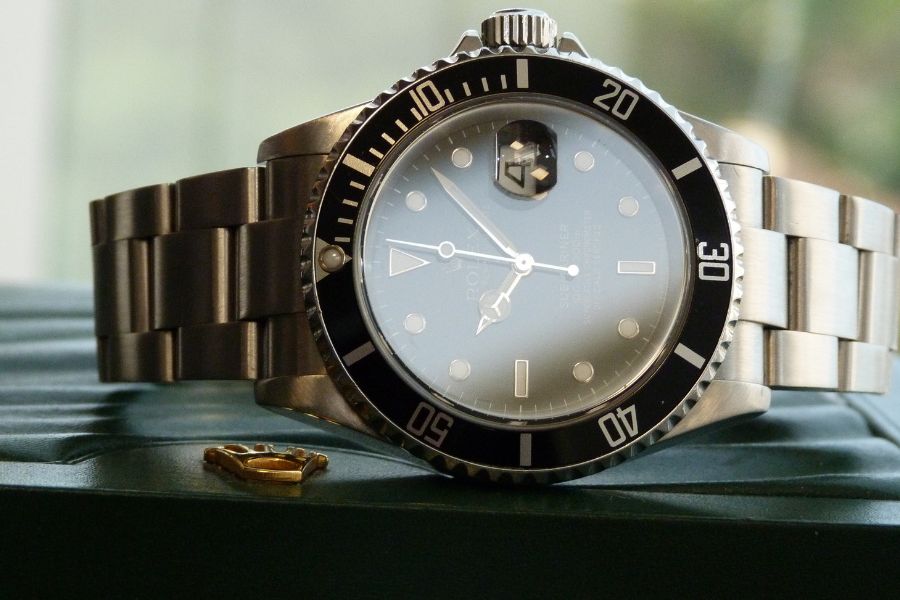
Thinking of bringing a luxury watch across the border and declaring it for less than its worth? It’s just not worth the risk. The CBSA is paying close attention to high-end goods like Rolex, and they’ve stepped up enforcement in a big way. In one recent case, a traveler was hit with a $16,000 fine after undervaluing their watch by $21,500. Border officers are trained to spot red flags, and when they do, the penalties aren’t light.
If you’re importing a watch, honesty really is your best move. Any short-term savings can quickly turn into a nightmare of fines, seizures, and legal headaches.
Not sure how the rules apply if your Rolex is for business use? Check out our guide on whether you can write off a Rolex in Canada. It clears up the grey area between luxury and legitimate business assets.
Understanding Rolex Prices: What Canadian Buyers Need to Know Before Buying
Yes, Rolex prices in Canada are rising, and it’s not by accident. Between increased production costs in Switzerland, a weaker Canadian dollar, higher global demand, and layers of import duties and taxes, 2025 has brought some of the most noticeable shifts in pricing we’ve seen in years.
But that doesn’t mean the dream of owning a Rolex is out of reach. For Canadian buyers who understand what’s driving the cost and how to navigate around unnecessary fees, there’s still exceptional value to be found. Especially when you’re working with professionals who know the market inside and out.
Whether you’re buying your first Rolex or expanding a collection, now’s the time to get informed. At Toronto Watch Exchange, we’re not just here to sell, we’re here to guide. Our team knows the ins and outs of pricing, taxes, customs, resale trends, and how to protect your investment in 2025’s evolving luxury watch landscape. If you’re looking for a luxury watch, we’re ready when you are.
If you feel like Rolex prices are climbing faster than ever in 2025, you’re not wrong. From quiet retail increases to sudden jumps in resale value, the luxury watch market is being shaped by far more than just hype or limited availability. Global tariffs, trade duties, and currency fluctuations are all converging in ways most buyers haven’t seen before.
Rolex prices are rising in Canada, and it’s not just your imagination. For collectors, first-time buyers, and long-time enthusiasts, the luxury watch market in 2025 looks and feels different. Between global price increases, shifting tax policies, rising gold costs, and a fluctuating Canadian dollar, the numbers don’t lie. But the story isn’t all bad. The market is shifting, yes, but it’s also maturing, and for educated buyers, there are still smart moves to make. Here’s what you need to know.
Rolex Price Increases in Canada: What Changed?
If you’re trying to buy a Rolex in 2025, you’re likely seeing sticker shock. As of January 1, 2025, Rolex implemented a global price increase averaging between 5% and 7%. But in Canada, that number fluctuates depending on the model, material, and where the watch was sourced.
The most notable increases affected gold watches, largely due to a 27% jump in global gold prices in 2024. That rise had a ripple effect: solid gold Rolex models in Canada increased by roughly 11%, and Rolesor (two-tone) models went up 8%. For instance, a Yellow Gold Submariner Date that sold for $41,808 CAD in 2024 now lists at $46,488 CAD. That’s a spike of over $4,600.
Even steel models, which are typically more stable in pricing, weren’t immune.
- The classic Submariner No-Date went from $9,700 to $9,850 CAD, reflecting a modest but noticeable 1.10% hike.
- Steel Daytonas, always in high demand, climbed by about 2.6%
- The Yellow Gold Oysterflex Daytona jumped from $32,812 to $38,896 CAD, an 18.5% surge.
These increases aren’t random. They’re tied to raw material costs, currency fluctuations, and Rolex’s broader effort to align pricing globally while reflecting the true value of its craftsmanship. As the price of gold, labor, and distribution climb, retail prices follow.
1. Global Tariff Volatility Adds Pressure to Swiss-Made Watches
While Rolex pricing in Canada is being shaped by domestic tax structure and currency performance, the brand is also reacting to rising trade tensions globally. In the United States, Rolex’s largest single market, Swiss watches have been hit with a 10% import duty for years. As of April 2025, the U.S. administration proposed raising that figure to 31%, which would have sent shockwaves through the entire luxury watch industry.
That tariff increase was suspended for 90 days in May, but the threat of future policy changes continues to affect pricing decisions by Swiss manufacturers. Rolex, Omega, and others are adopting pricing strategies that protect their margins globally, meaning increases in one country often reflect pressures in another.
2. Swiss Franc Appreciation
Since March 2025, the Swiss franc has risen more than 7% against the U.S. dollar. For U.S. buyers, this means Swiss exports, including luxury watches, now cost significantly more to import.
Currency volatility forces brands to adjust their pricing to maintain margins, and Rolex is no exception. Many industry analysts believe this appreciation is one of the quiet but powerful drivers of this year’s adjustments.
How Canadian Taxes and Import Duties Add to the Cost
When you’re purchasing a luxury watch in Canada, especially if you’re importing, it’s not just the sticker price you have to worry about. Several layers of taxes and duties apply, depending on how and where you buy.
GST and HST on Imported Watches
Every imported watch is subject to GST (Goods and Services Tax), and if you live in a province that uses HST, that will replace the GST. For example, Ontario residents pay 13% HST on the total cost of the imported item, including duties.
Customs Duties
While there isn’t a single rate that applies to all watches, customs duties typically hover around 5%, depending on the classification under the Harmonized Tariff Schedule. It’s worth checking the exact rate with the Canada Border Services Agency (CBSA) before importing.
Luxury Tax Confusion
Despite the widespread assumption, luxury watches are not currently subject to the Select Luxury Items Tax Act, which only applies to cars, aircraft, and yachts over certain price thresholds. But many Canadians still ask if their Rolex purchase falls under this tax. The answer, as of now, is no. But that could change in future budgets, so staying informed is key.
Example Duty Breakdown: What You Might Pay
Let’s say you import a $20,000 CAD Rolex from Europe. Here’s a realistic estimate:
Item |
Cost (CAD) |
| Value for Duty | $20,000 |
| Customs Duty (5%) | $1,000 |
| Subtotal | $21,000 |
| HST (Ontario, 13%) | $2,730 |
| Total at Border | $3,730 |
| Final Cost of Watch | $23,730 |
These costs add up fast, and for many buyers, it’s enough to start looking for alternatives.
The Canadian Dollar’s Impact on Rolex Prices
Even if duties and taxes were to remain constant, the value of the Canadian dollar plays a big role in Rolex pricing. In 2025, the CAD remains relatively weak against the USD and Euro, which affects every aspect of international pricing. When Rolex sets its global prices, it doesn’t ignore currency strength. Canadian retailers must adjust accordingly to stay profitable, which pushes Canadian Rolex prices even higher.
This is one of the key reasons why buyers comparing Rolex prices between Canada and the U.S. often find little to no advantage in cross-border shopping once you factor in duties, currency exchange, and taxes.
Comparing 2024 vs 2025 Rolex Retail Prices (USD & CAD)
Model |
MSRP (2024 – USD) |
MSRP (2025 – USD) |
MSRP (2024 – CAD) |
MSRP (2025 – CAD est.) |
|---|---|---|---|---|
| Submariner | $9,100 | $9,373 | $12,500 | $12,875 |
| Daytona | $14,550 | $14,986 | $19,800 | $20,394 |
| Datejust 41 | $8,050 | $8,291 | $11,100 | $11,433 |
*CAD pricing is estimated based on conversion trends and Canadian dealer averages. Always check with a local authorized seller or contact us.
Understanding Rolex Retail and Secondary Market Prices in Canada
With rising Rolex prices, the Canadian secondary market has never been more active. Savvy buyers are increasingly turning to the pre-owned Rolex market to avoid rising retail costs and import fees. We’re seeing this first-hand. Demand for certified, Canadian-based watches is rising fast, and it’s not just buyers who benefit. Sellers are seeing stronger trade-in values, especially on popular models like the Submariner, Datejust, and Daytona.
For many, the shift is less about saving money and more about avoiding financial uncertainty. Buyers want to know what they’re paying upfront, no surprise duties, no customs delays, and no risky border declarations.
We broke this down in more depth in our post on how the Canadian dollar is affecting the watch market, which is worth reading if you’re weighing your next move.
Are Other Swiss Watch Brands Raising Prices Too?
Yes. Rolex isn’t alone in this. As of May 1st, Omega implemented an average 5% price increase in the U.S. The Swatch Group (Omega’s parent company) also adjusted pricing across multiple brands, including Blancpain, Longines, Rado, and Tissot, with some increases reaching up to 10%.
Swatch Group cited cost pressures, tariffs, and currency shifts as reasons for the change. Across the board, Swiss brands are rebalancing their prices in response to economic and regulatory conditions.
Will Rolex Prices Increase Again in 2025? What Drives Rolex Watch Costs
It’s a question we’re already hearing a lot: are Rolex prices going up again this year? If you’ve been tracking watch values or thinking of making a purchase, you’re not alone.
Rolex’s Predictable, but Strategic, Price Hikes
Historically, Rolex doesn’t raise prices randomly. The brand tends to make one or two calculated price adjustments per year. These hikes aren’t just about inflation, they’re about maintaining exclusivity and brand consistency across global markets.
We already saw a notable adjustment on January 1, 2025, with increases across most models. Gold models jumped more than steel ones, and Canada wasn’t spared. Local Authorized Dealers adjusted prices accordingly, and that’s already made waves in the pre-owned market here.
In other words: if you’re waiting for prices to “go back down,” don’t hold your breath. Rolex rarely moves backwards on price.
U.S. Tariffs and the Ripple Effect of Rolex Prices in Canada
The U.S. Trade Representative recently proposed a tariff increase on Swiss imports, including watches, from 10% to 31%. While this hike has been delayed for now, the signal is clear: luxury goods like Rolex are increasingly in the crosshairs of trade policy.
Even though Canadian buyers aren’t directly hit by these U.S.-specific tariffs, there’s still a ripple effect. When U.S. prices rise, more American buyers start looking north for better value. That increased demand can put pressure on Canadian inventory, especially in the pre-owned market.
We’ve seen it before: a surge in American buyers pushes Canadian prices up, not just for Rolex but across other Swiss brands as well. So if those tariffs go through, expect another spike in resale prices here.
Swiss Franc Pressure and the Canadian Dollar
Perhaps the biggest factor affecting Canadian Rolex pricing is the strength of the Swiss Franc (CHF). Rolex manufactures and prices its watches in Switzerland, and those costs are calculated in Swiss currency. That means every time the Canadian dollar weakens against the CHF, it becomes more expensive for Canadian distributors to bring in inventory.
In 2025, the Swiss Franc has held strong, especially compared to the CAD. That alone could trigger another global price adjustment, one that would show up almost immediately at Canadian retailers. And with Canada’s luxury goods import costs climbing, there’s little buffer left for dealers to absorb those changes without passing them on to buyers.
It’s not just a local issue; it’s a currency problem that’s hitting Rolex buyers worldwide, but especially in countries like Canada, where the dollar has lost purchasing power year over year.
So Will Prices Go Up Again?
There’s no official announcement yet, but all signs point to another potential Rolex price increase in late 2025. Whether it’s because of currency shifts, rising material costs, or indirect tariff pressure from the U.S., the momentum is there.
For buyers sitting on the fence, the takeaway is simple: waiting could cost you more. And if you’re exploring your options in the secondary market, we can definitely help you navigate that easily.
Is It Still Worth Buying a Rolex in 2025?
Absolutely, but it requires a different approach than it did five years ago. Retail prices are climbing, and import fees are real, but Rolex remains one of the most secure luxury purchases you can make. Values are holding strong in Canada, and in many cases, growing. If you’re planning to hold onto your piece, or even resell it down the line, a Rolex still represents smart, tangible value.
What’s changing is how people shop. More buyers are seeking local, trusted sellers who can help them avoid costly surprises at the border. The pre-owned market is becoming the first stop, not the fallback.
If you’re looking to buy smart, consider browsing our curated selection of Rolex models for sale. Every watch is fully authenticated and priced with Canadian realities in mind, no hidden fees, no fine print, just real value.
Border Crackdowns: The CBSA Is Watching Closely
Thinking of bringing a luxury watch across the border and declaring it for less than its worth? It’s just not worth the risk. The CBSA is paying close attention to high-end goods like Rolex, and they’ve stepped up enforcement in a big way. In one recent case, a traveler was hit with a $16,000 fine after undervaluing their watch by $21,500. Border officers are trained to spot red flags, and when they do, the penalties aren’t light.
If you’re importing a watch, honesty really is your best move. Any short-term savings can quickly turn into a nightmare of fines, seizures, and legal headaches.
Not sure how the rules apply if your Rolex is for business use? Check out our guide on whether you can write off a Rolex in Canada. It clears up the grey area between luxury and legitimate business assets.
Understanding Rolex Prices: What Canadian Buyers Need to Know Before Buying
Yes, Rolex prices in Canada are rising, and it’s not by accident. Between increased production costs in Switzerland, a weaker Canadian dollar, higher global demand, and layers of import duties and taxes, 2025 has brought some of the most noticeable shifts in pricing we’ve seen in years.
But that doesn’t mean the dream of owning a Rolex is out of reach. For Canadian buyers who understand what’s driving the cost and how to navigate around unnecessary fees, there’s still exceptional value to be found. Especially when you’re working with professionals who know the market inside and out.
Whether you’re buying your first Rolex or expanding a collection, now’s the time to get informed. At Toronto Watch Exchange, we’re not just here to sell, we’re here to guide. Our team knows the ins and outs of pricing, taxes, customs, resale trends, and how to protect your investment in 2025’s evolving luxury watch landscape. If you’re looking for a luxury watch, we’re ready when you are.

Written by