
You have likely spent weeks tracking a specific reference, only to return to a listing and find the cost has jumped significantly overnight. This phenomenon often leads collectors to wonder: do Rolex prices fluctuate based on a predictable schedule, or is the market simply chaotic? While the official retail prices at Authorized Dealers remain fixed until corporate intervention, the secondary market is a living, breathing ecosystem that reacts dynamically to economic pressures, holiday calendars, and consumer psychology. Understanding these nuanced movements is the primary difference between overpaying during a hype cycle and securing an investment-grade timepiece at the optimal entry point.
At Toronto Watch Exchange, we analyze these market currents daily, moving beyond simple supply and demand charts to understand the human behaviors driving values up and down. We are going to pull back the curtain on these hidden cycles, providing you with the insider knowledge necessary to navigate the gray market with confidence.
Why Do Rolex Prices Fluctuate According to the Calendar?
The concept of seasonality in luxury goods is well-documented, yet many enthusiasts overlook how heavily it impacts horology. Just as convertible sports cars command a premium in the spring, Rolex prices fluctuate based on the time of year because the motivation of the buyer changes. When collective demand rises during specific gifting periods, supply naturally tightens, forcing secondary market values to climb. Conversely, during periods of fiscal tightening, prices often soften, creating ideal buying windows for the astute collector.
The Holidays: Navigating the November and December Demand
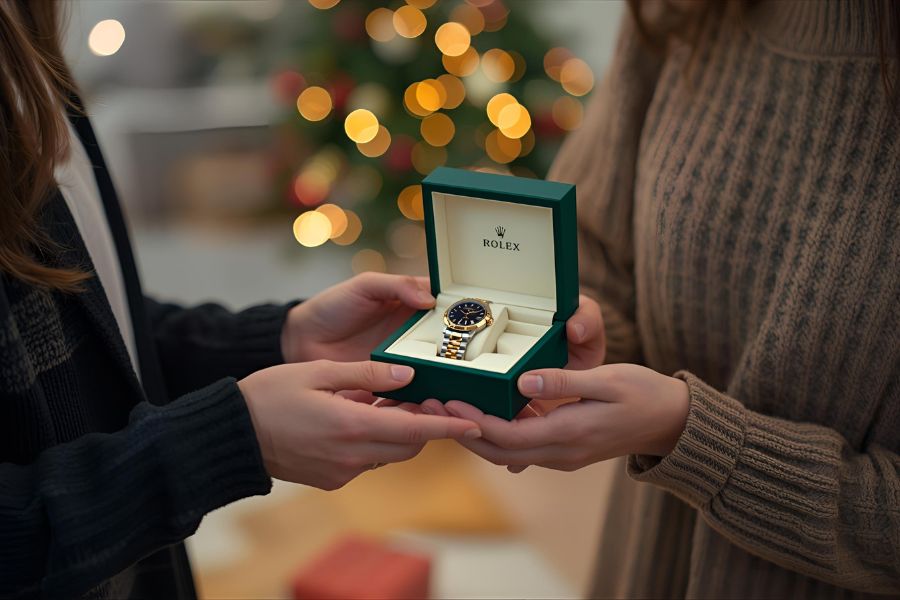
The most aggressive price appreciation consistently occurs in the fourth quarter, specifically from early November through the end of December. This period represents the absolute peak of discretionary spending, where a luxury timepiece becomes the ultimate symbol of achievement or affection. Because dealers understand that buyers are operating on a strict deadline to secure gifts, the typical room for negotiation evaporates. If you are reading our guide for luxury watch sellers, you will note that listing your watch during this window ensures you command the highest possible return, as desperate buyers compete for a dwindling supply of “full set” examples.
Furthermore, the anticipation of the annual “January Price Hike” fuels this fire. Rolex has historically implemented global retail price increases at the start of the new year, prompting smart buyers to rush into the market in December to beat the rise. This pre-emptive buying spree forces the secondary market to adjust upward, as gray market dealers raise their prices to maintain the premium gap over the expected new retail MSRP.
The Post-Holiday Correction: Capitalizing on the January Lull
Once the festivities conclude and the credit card statements arrive, the market undergoes a significant shift known as the post-holiday correction. Consumer urgency vanishes in January and February, creating a distinct lull where Rolex prices fluctuate downward to more accessible levels. Dealers who stocked up heavily to meet the December demand often find themselves with lingering inventory that needs to be liquidated to improve cash flow for the new fiscal year.
For buyers, this slower time is the “golden hour.” You have the power to bargain forcefully because there isn’t the hectic competition of the holiday season. In order to purchase that investment-grade Rolex without having to pay the holiday premium, seasoned collectors are aware that checking the market in late January frequently reveals the most appealing pricing floors of the year.
How Changes in the Economy Affect Rolex Prices
The “Tax Bill” Liquidity Crunch
Every spring, we witness a phenomenon where a sudden surge of inventory enters the market in April and May, which coincides with North American tax deadlines. Collectors frequently turn to their watch collections as a quick source of capital when they discover their tax obligations are greater than they had anticipated. This leads to a surge of driven sellers who put speed ahead of maximum profit. For a savvy buyer, this “tax season dip” is an excellent opportunity to acquire pieces from sellers who are solving a cash-flow problem rather than holding out for top dollar.
Watches & Wonders and Discontinuation Speculation
The entire horological world turns its eyes to Geneva every spring for the Watches & Wonders trade show, where Rolex unveils its new lineup. However, the most violent price movements occur not with the new releases, but with the discontinued Rolex models. When a reference is retired from production, the secondary market reacts instantly, often driving values up by 20% or more overnight due to the sudden scarcity. We saw this clearly when the white gold Daytona “Le Mans” was discontinued, transforming it from a standard production model into a highly coveted collector’s item in a matter of hours.
Economic Shockwaves
We have to be honest about the connection between watches and the wider economy. The gray market is tied to the stock market and crypto. When the S&P 500 takes a dive or Bitcoin crashes, we usually see luxury watch prices soften about two to three weeks later.
It is a delayed reaction. People see their portfolios drop, and they stop buying luxury goods. If you read news about a recession or a market crash, you can expect to see better deals on watches appearing shortly after.
The Human Element: Why Prices Move When You Least Expect
Most articles will tell you that prices go up at Christmas. That is obvious. But the real money is made or lost in the months that nobody talks about. The market for buying a used Rolex is driven by real people making financial decisions. When people feel rich, prices go up. When people feel squeezed, prices soften.
Here are the “street level” factors that actually move the needle:

The Wall Street Bonus Season (Q1)
While everyone concentrates on holiday shopping in December, February and March see a huge surge in spending. It’s corporate bonus season. The first quarter of the year is typically when bankers, attorneys, and tech workers get their yearly performance bonuses.
During this period, we frequently observe a particular spike in “flex” models. The heavy hitters are what we are discussing. The Day-Date 40 in gold. The two-tone Daytona. The timepieces with the words “I made it.” Purchasing a piece of precious metal in early March may be difficult if you are trying to find a good deal because thousands of people have recently received an increase in their disposable income.
The “Summer Flex” Psychology
People buy different watches depending on the weather. It sounds strange, but it is true. In the winter, people wear long sleeves and coats. Dress watches on leather straps get more attention.
But as soon as the sun comes out in May and June, the demand shifts aggressively toward durability. No one wants a sweaty leather strap on a hot Toronto patio. Everyone wants the Oysterflex rubber bracelets and the steel dive watches. We see demand for the Yacht-Master and the Submariner tick up as people prepare for cottage season and summer vacations. If you want a steel sports watch for the summer, buying it in the dead of winter is often your smartest play.
Analyzing Which Rolex Models Are Most Volatile
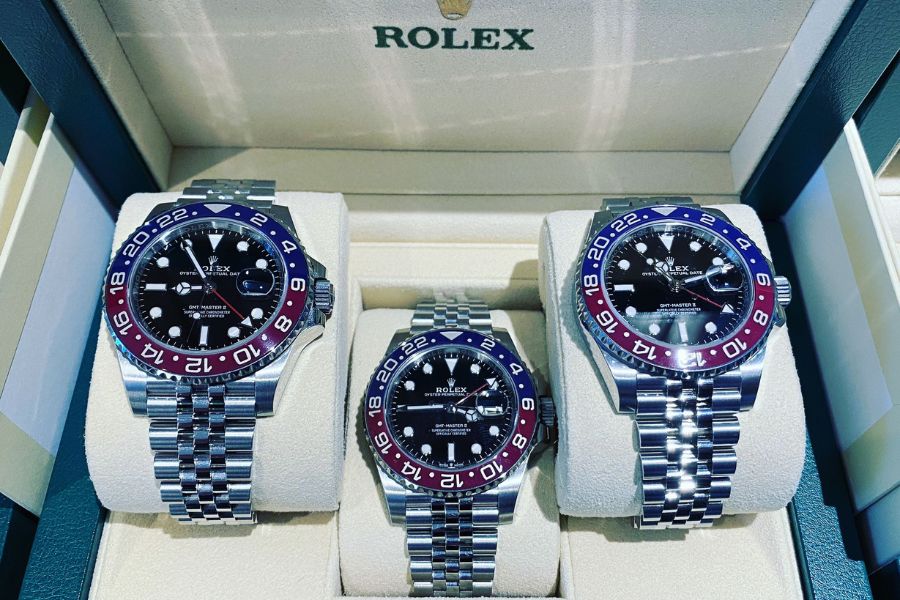
It is crucial to recognize that not every timepiece in the catalog reacts to these pressures equally. The extent to which Rolex prices fluctuate depends heavily on the material, rarity, and current “hype” status of the specific reference.
| Model Category | Volatility Level | Market Behavior Analysis |
|---|---|---|
| Investment Steel (Daytona, GMT-Master II) | High | As the most liquid assets in the watch world, these models react sharply to economic headlines. They see the highest peaks during bonus season but can also soften quickly during market downturns, as tracked by platforms like WatchCharts. |
| Precious Metal (Day-Date, Gold Submariner) | Medium | With a higher entry price limiting the buyer pool, these pieces are generally more stable. However, they experience specific spikes during the Q1 corporate bonus season when Wall Street professionals look to celebrate their annual payouts. |
| Classic Entry (Datejust, Oyster Perpetual) | Low to Medium | These models are consistent performers, seeing predictable spikes during graduation season in May and June, but generally holding steady value throughout the rest of the year due to their broad appeal. |
Street Smarts: Actionable Advice for the Modern Collector
Navigating these fluctuations requires more than just capital; it requires strategy. Here are three actionable rules we advise our clients to follow to maximize their position in the market.
1. Leverage “Cash Power” in January
Dealers are often cash-poor in January after spending heavily to stock inventory for December. If you approach a seller during this time, offering an immediate wire transfer, saving them credit card processing fees and providing instant liquidity, you possess incredible leverage. This strategy often unlocks discounts that would be impossible to secure during the high-volume holiday months.
2. Beware the Rise of “Franken-Watches”
As prices rise during peak seasons, opportunistic scammers often flood the market with watches containing non-original parts to capitalize on the desperation of buyers. It is absolutely critical to verify that the movement, dial, and chassis are period-correct. We strongly recommend using our resource on how to check Rolex serial numbers to confirm the production year matches the watch’s configuration before money changes hands.
3. Monitor Dealer “Pending” Status
You can gauge the health of the market by watching the “Pending” or “Sold” sections of major dealer websites. In a hot market, inventory disappears within hours of listing. If you notice watches sitting for weeks during the summer months, it signals that the seller may be feeling the pressure of stagnant inventory, giving you the green light to make a lower offer.
Your Rolex Market Cheat Sheet
Finally, let’s make the calendar simpler so you can know precisely when to take action.
- January, February, and late August are the best times to purchase. (Look for post-holiday lulls and motivated sellers).
- November and December are the best months to sell. (Take advantage of the gift-giving panic and the holiday rush).
- The announcement of a new model in April is the best time to trade. Before the new model becomes all the rage, trade in your old model.
Because the world changes, so do Rolex prices. You can make wiser purchases if you look at the calendar and take emotion out of your decision. Timing is crucial, whether you’re searching for a brand-new Datejust or a vintage Submariner.
At Toronto Watch Exchange, we are here to help you navigate these waters. If you are unsure about the current value of your watch or where the market is trending this month, reach out to us. We love talking watches and we love helping you make the right move.